The television did not go gently into that good night. It died with a bang.
This was somewhat startling, mainly because I was half-asleep on the sofa at the time. Most people would see this as a sign from the universe to upgrade, especially since a nice new OLED would be very welcome. But actually picking a new TV is not simple. Ignoring the money, it's a lot of work—hours of research, reading reviews, and comparing specs, sizes, and contrast ratios. It takes a lot of time. So, in the spirit of laziness, I thought I'd try fixing it.
I flipped the set over, bracing myself for the inevitable spudger fight with brittle plastic clips. To my genuine delight, the back panel simply required a screwdriver. Twenty screws. No clips. It came apart with satisfying ease. I inspected the boards, hoping for an easy answer. Everything looked pristine—no scorch marks, no tell-tale smells of burnt silicon. I plugged it in to test the voltages. Nothing. A quick probe with the multimeter pointed to the fuse.
The board looked fairly easy to work with, and initially it looked like I could just pop the fuse out and replace it, but alas, this was soldered in.
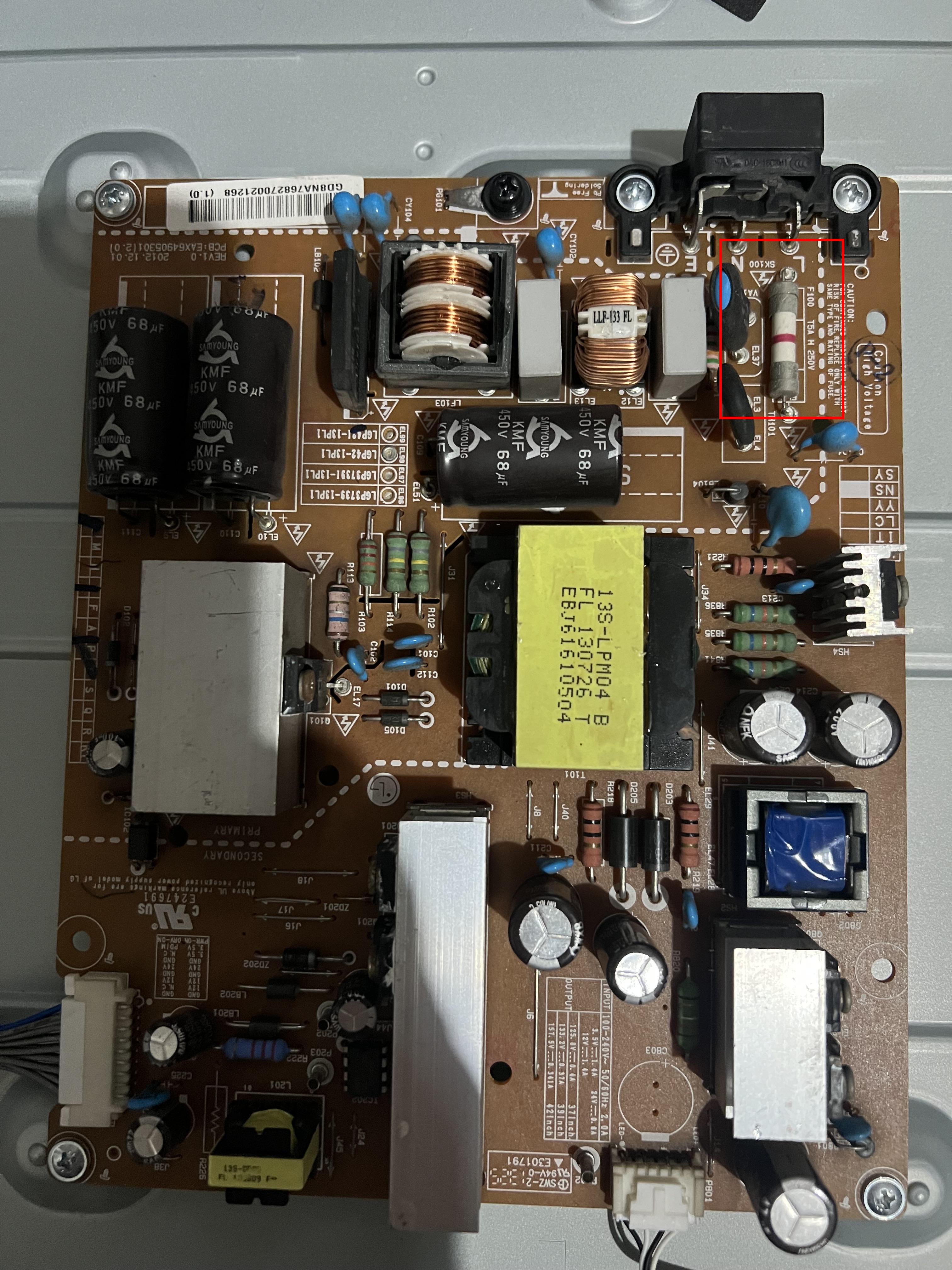
A bit annoying, perhaps, but nothing a soldering iron can't handle. Swearing a little at the cost-cutting by not using a fuse holder, I removed the old one and improvised a replacement, soldering a new fuse with wires to the pads. It looked a bit like a science experiment, but it was a solid connection.
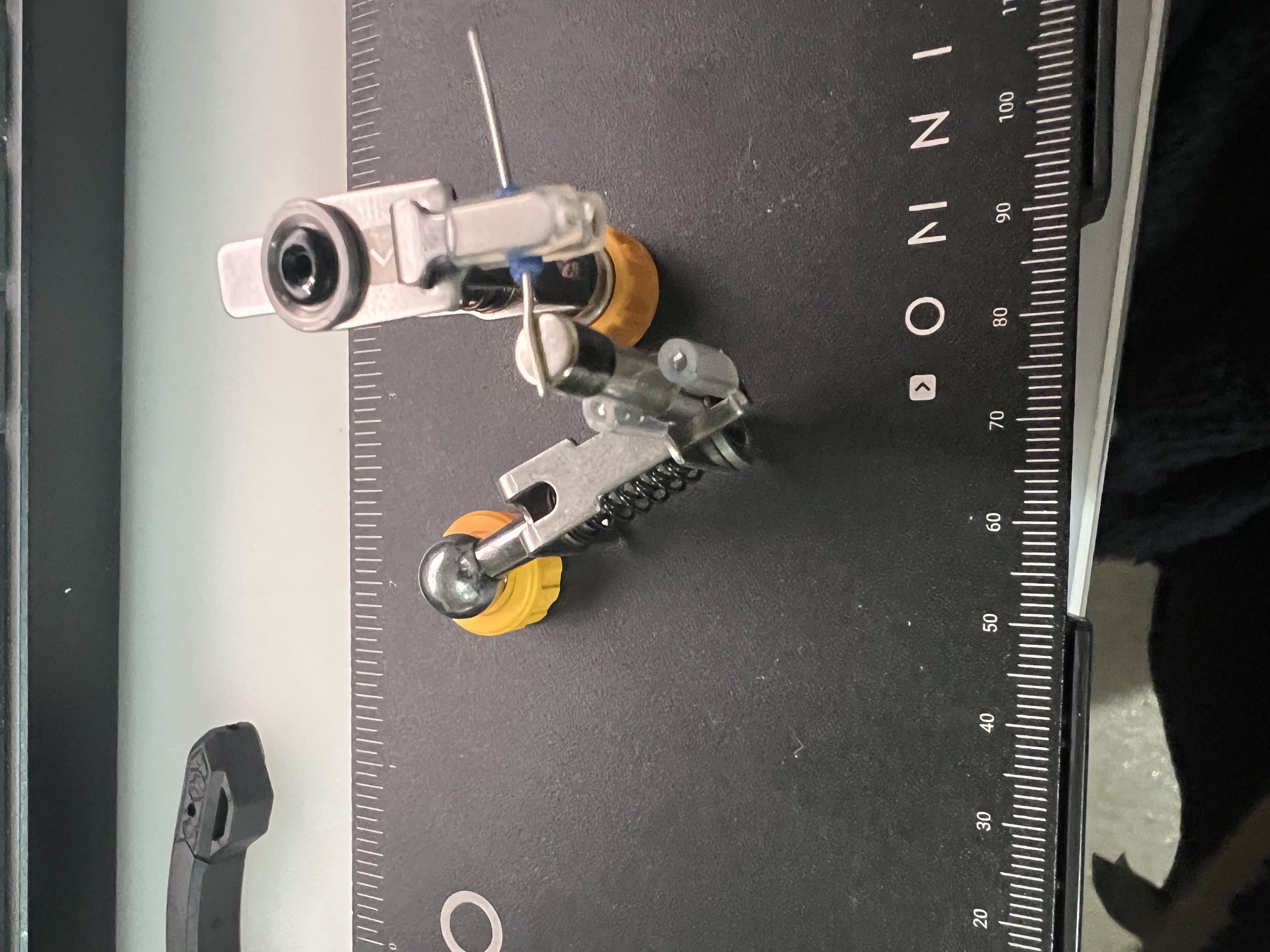
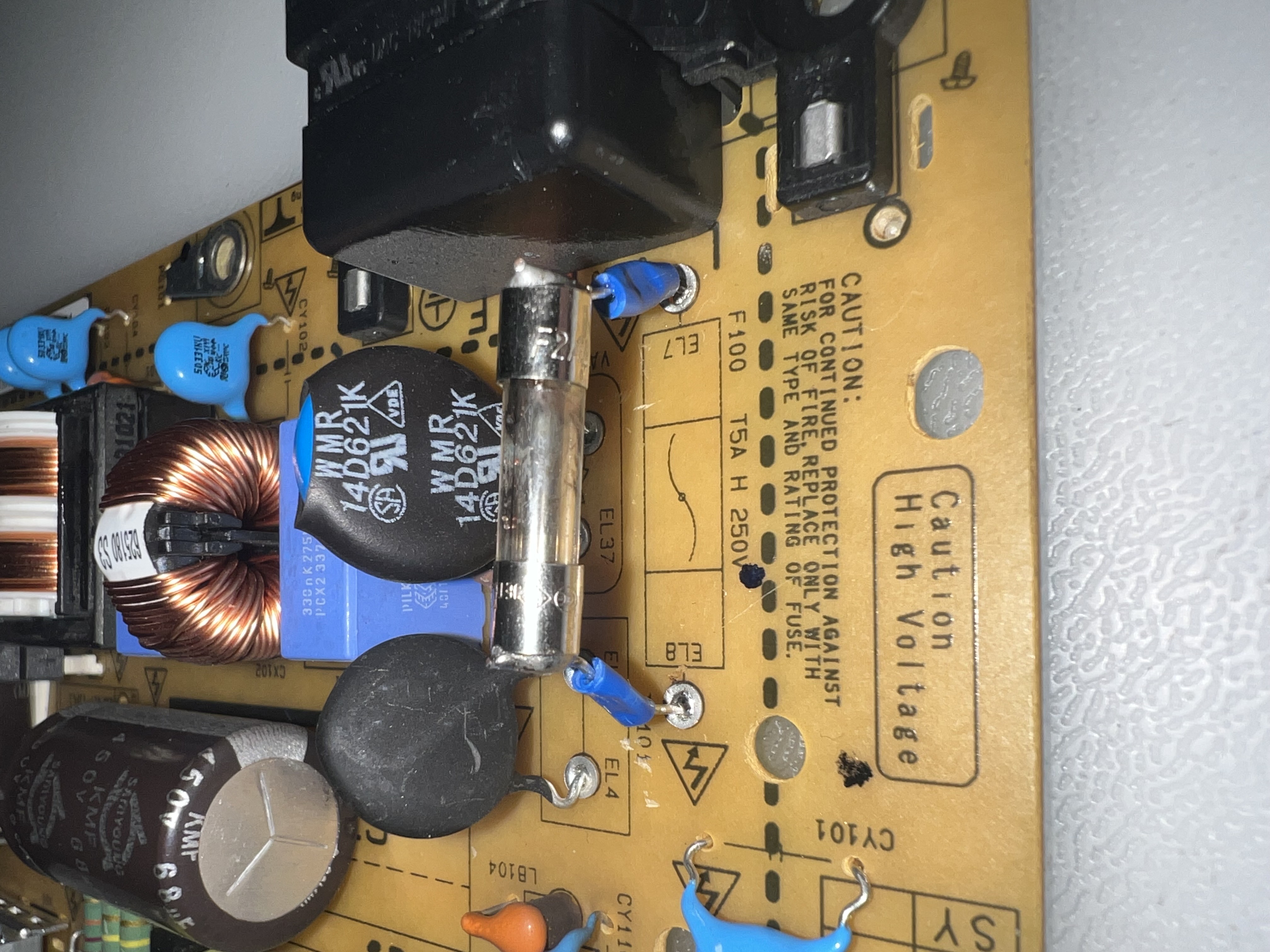
I plugged the TV back in, leaving the case off because I was still dubious if this would work.
Bang.
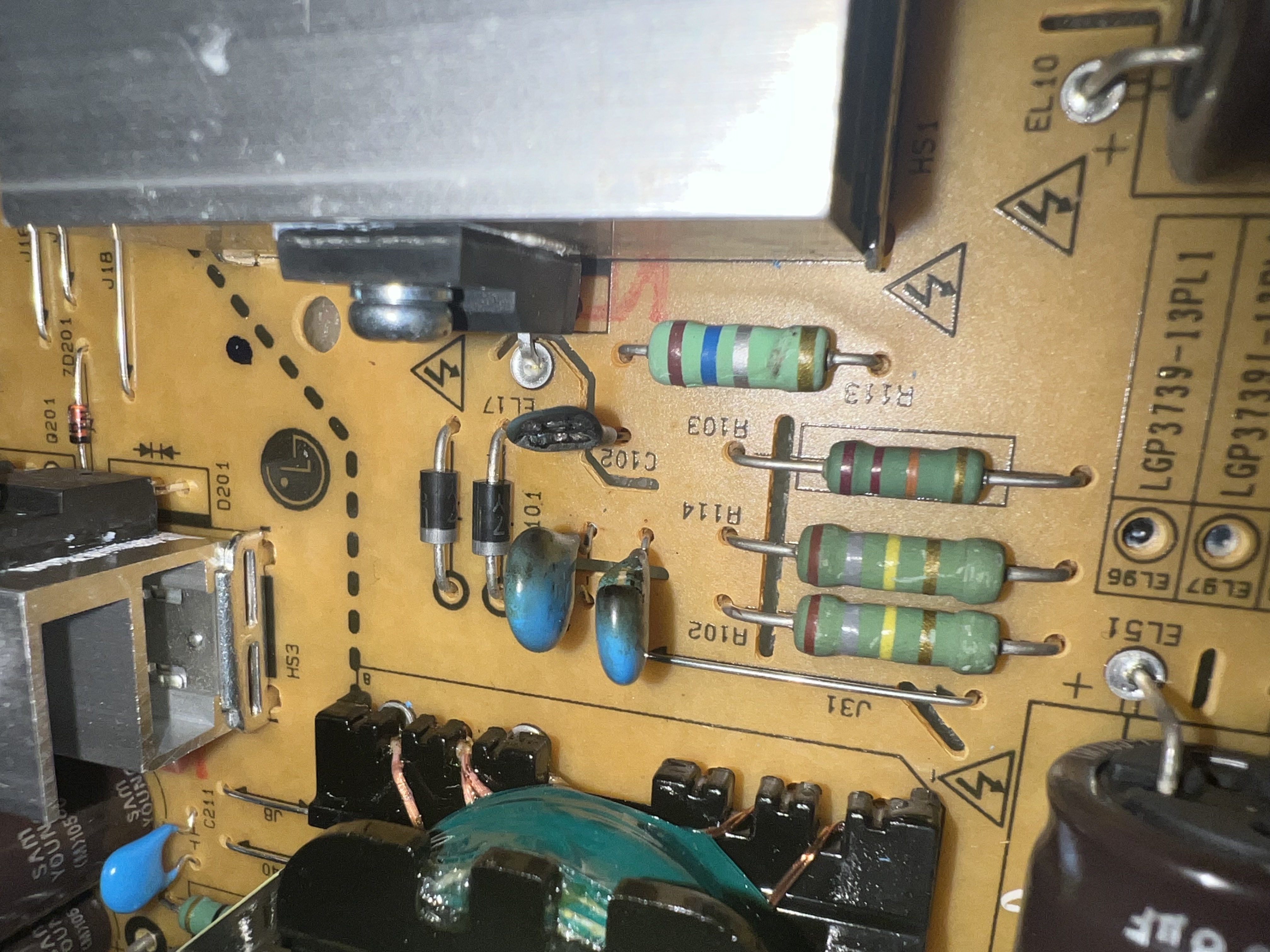
A capacitor exploded. A bit of shrapnel pinged me on the cheek. As normal, I was wearing appropriate PPE; the safety squints worked perfectly, and my eyesight remains intact. It turns out the fuse had blown for a reason; a short elsewhere on the board had caused the initial drama. Replacing the fuse just gave the short circuit a fresh path to destroy more components.
Whilst I might be able to bodge a fuse onto a board, I'm not cut out for diagnosing and fixing component-level issues with a schematic, never mind without one. I knew when I was beaten. A quick search online found a replacement power board on AliExpress for just £20.

A week later, the package arrived. I unscrewed the old board, disconnected the cables, screwed the new board in, and connected everything back up. The TV turned on successfully and nothing hit me in the cheek! I saved a huge chunk of cash and saved a television from the landfill, but more importantly, I didn't need to pick a new TV. It was a good day's work.